Living in Seattle Central District: What to Know
July 9, 2026
July 9, 2026
Thinking about living in Seattle’s Central District? You are not alone. For many buyers, sellers, and relocating households, the Central District stands out because it offers a mix of history, established residential streets, local businesses, and growing transit connections. If you want a clearer picture of what daily life looks like here, this guide will walk you through the neighborhood’s story, housing, amenities, and overall feel. Let’s dive in.
The Central District, often referred to in city materials as the Central Area or Historic Central Area, holds a major place in Seattle’s history. Seattle planning and arts sources describe it as the city’s historically African American neighborhood, shaped in part by redlining and housing discrimination that limited where Black residents could live.
By the 1970s, the neighborhood had become a hub for Black-owned businesses, churches, and schools. More recent city history also notes that displacement changed the area significantly over time, reducing the Black share of the neighborhood from more than 80 percent to fewer than 10 percent. That history remains essential to understanding the Central District today.
You can still see that legacy in important neighborhood institutions. The Northwest African American Museum, Langston Hughes Performing Arts Institute, and Byrd Barr Place all reflect the area’s long-standing cultural and civic importance. These are not just landmarks. They continue to shape how the neighborhood feels and functions.
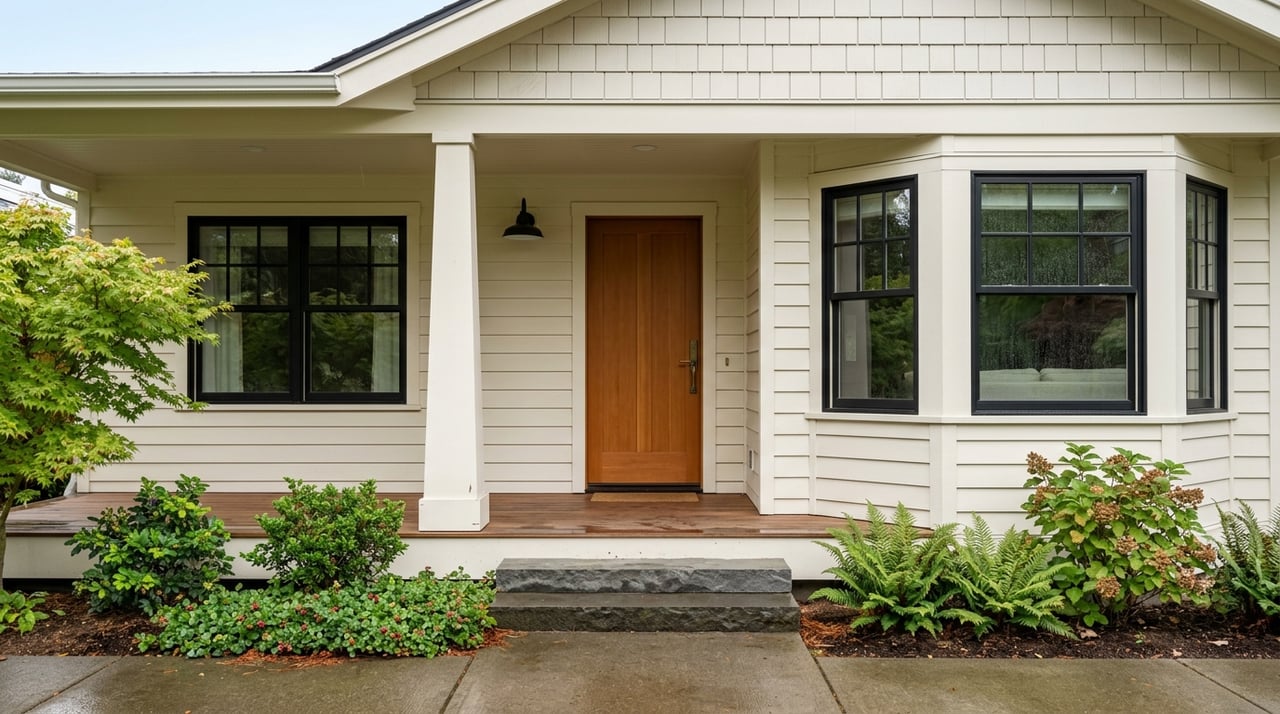
If you picture one single housing style here, you will probably be surprised. The Central District has layered housing stock, and the look can change from block to block depending on where you are.
Seattle’s historic survey says the area began largely as a neighborhood of single-family houses. In the late 1800s and early 1900s, Queen Anne and vernacular homes with Queen Anne details were common. Over time, American Foursquare, Prairie, and Craftsman homes, including bungalows, became part of the neighborhood’s streetscape.
Low-rise apartments also entered the mix in the first quarter of the 20th century. The survey identifies landmarked examples like the Twenty-Third Avenue Houses Group and the Victorian Row Apartment Building. Together, these layers give the neighborhood an architectural variety that feels distinctly Seattle.
For buyers, that often means your options may range from older detached homes on quieter streets to more compact housing near busier corridors. For sellers, it means presentation matters because buyers often respond strongly to original character, location near neighborhood nodes, and the way a home fits into the block’s overall feel.
One of the best ways to understand the Central District is to think of it as a mixed neighborhood rather than a single-style district. City planning materials describe mature trees, historic architecture, and several business districts, including 23rd Avenue at Union, Cherry, and Jackson.
That creates a different experience depending on the section you choose. Some streets feel more residential and tucked away, while other parts are more active and street-oriented. Areas near 23rd Avenue and Jackson Street, along with the southern end of the neighborhood, have seen mixed-use growth and redevelopment.
If you are deciding whether the Central District fits your lifestyle, this block-by-block variation matters. You may find a home that feels close to neighborhood activity without being in the middle of it, or you may prefer to be near the commercial corridors where errands and transit feel easier.
Daily life here is shaped by a blend of community institutions, neighborhood businesses, parks, and transit. The Central District is not just a place you pass through. It is a place where everyday routines and neighborhood identity overlap.
Public gathering spaces play a big role in that experience. Jimi Hendrix Park, next to the Northwest African American Museum, includes walking paths, landscaping, benches, a butterfly garden, and a timeline of Hendrix’s life. Powell Barnett Park adds a play area, wading pool, basketball courts, and open field space.
Garfield Community Center is another practical part of neighborhood life. Located on the Garfield Campus, it sits alongside Medgar Evers Pool, Garfield High School, and other recreation facilities. For many residents, these community spaces help define the area as much as the housing does.
Transit is an increasingly important part of living in the Central District. The First Hill Streetcar connects the neighborhood with Capitol Hill, First Hill, Yesler Terrace, the Chinatown-International District, and Pioneer Square.
On the southern edge, Judkins Park Station opened on March 28, 2026. Sound Transit says riders can enter from Rainier Avenue South or 23rd Avenue South, and travel time to Westlake is about 10 minutes. That is a meaningful connection for commuters and for anyone who wants stronger non-car access to other parts of Seattle.
For buyers, these transit links can expand what feels practical for work, errands, and social plans. For sellers, proximity to established and newer transit options can be an important part of how a home is positioned in the market.
The Central District’s food scene reflects both neighborhood convenience and cultural roots. Current examples from the area show a mix that includes Black-owned businesses, Ethiopian cuisine, and bakery and cafe staples.
Communion on East Union serves Seattle Soul cuisine and offers brunch and dinner. Central Cafe and Juice Bar on East Cherry operates in a 1920s building in the neighborhood. Ras Dashen on East Cherry serves Ethiopian food, and Temple Pastries on South Jackson has run its brick-and-mortar bakery since 2020.
Taken together, these spots suggest a neighborhood where food and coffee are part of everyday life, not just special occasions. If you value the ability to step out for a meal, coffee, or pastry without leaving the neighborhood, that is part of the Central District appeal.
In the Central District, arts programming is woven into everyday neighborhood life. The arts district was created in 2015 to preserve African and African American legacy while supporting livability and artistic vitality.
One visible example is the Central District Art Walk, which takes place every First Friday from 6 to 9 p.m. City arts materials identify the Northwest African American Museum and Langston Hughes Performing Arts Institute as core partners. That kind of recurring programming helps keep the neighborhood’s cultural identity active and public.
For residents, this means the Central District offers more than housing and convenience. It also offers a strong sense of place tied to history, creativity, and community memory.
The Central District can appeal to several types of buyers. If you want a neighborhood with history, varied housing, parks, and stronger transit access, it may feel like a good match. If you prefer a place with a mix of residential blocks and business corridors, that balance can also be a draw.
It can also work well if you want to stay connected to other parts of Seattle without relying entirely on a car. With the streetcar and the southern light rail access point, the neighborhood is more connected than it was historically.
For sellers, the Central District often appeals to buyers who care about both location and neighborhood identity. A thoughtful listing strategy can help highlight a home’s architectural style, access to local amenities, and position within the neighborhood’s varied streetscape.
If you are buying in the Central District, pay attention to how each block feels in person. The neighborhood’s mix of quieter residential streets, commercial nodes, historic buildings, and newer growth means one home can offer a very different lifestyle from another just a short distance away.
A few practical things to compare include:
If you are selling, it helps to present your home in a way that connects it to what buyers already value about the area. That may include architectural character, nearby institutions, transit convenience, or access to neighborhood businesses and public spaces.
Whether you are buying your first Seattle home, moving across the city, or preparing a Central District property for sale, local context matters. If you want guidance grounded in Seattle neighborhood knowledge and a hands-on process, TeamUp Seattle can help you plan your next move with clarity and confidence.
TeamUp Seattle has been successfully creating outstanding real estate experiences for our buyers and sellers in the Seattle area for 30 years. Our business is completely built around three guiding principles that motivate and drive us each and every day with each and every client.
Connect. Collaborate. Close.
Contact us today to find out how we can be of assistance to you!