Central District Home Buying Guide for Seattle Buyers
February 5, 2026
February 5, 2026
Thinking about buying in Seattle’s Central District? You are looking at a centrally located area with strong transit options, a rich cultural story, and a wide mix of homes. It can feel exciting and a bit overwhelming to sort through older houses, new townhomes, permits, and market signals. This guide gives you the local context, the due diligence steps, and a clear plan so you can buy with confidence. Let’s dive in.
The Central District, often called the Central Area, sits just southeast of downtown. Boundaries vary by source, but key corridors include 23rd Ave, Martin Luther King Jr. Way S, E Cherry Street, and Jackson Street. You will find high walkability in many pockets and quick access to frequent bus routes and Link light rail via nearby stations such as Mount Baker.
The area has deep historical roots as a center of Seattle’s African American community. To learn more about ongoing cultural programming and history, explore the Northwest African American Museum for context and events at the Northwest African American Museum.
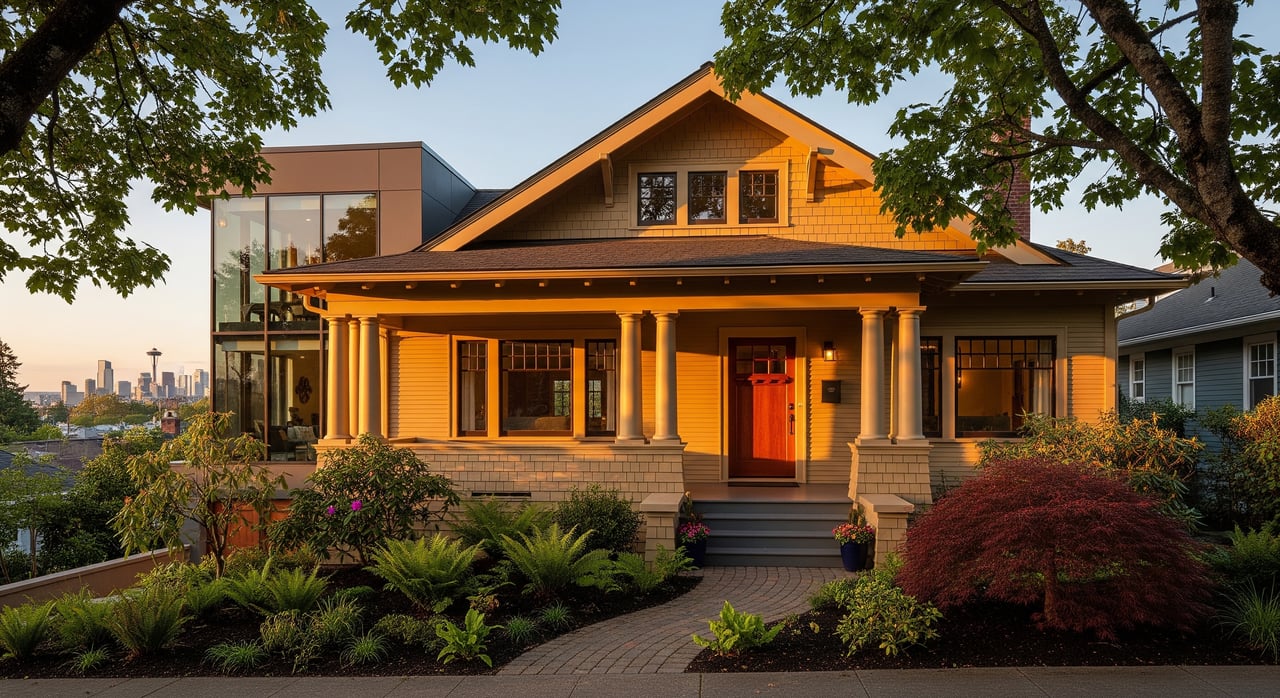
Housing here is diverse. Older Craftsman bungalows, foursquares, and cottages line residential streets, often on urban lots that range widely block to block. You will also see mid‑century duplexes or small apartments, plus newer townhome clusters and small condo buildings near major corridors.
Accessory dwelling units are increasingly common on single‑family lots. Some are permitted, and some may not be, which makes permit history checks an important part of your offer prep. Lot sizes often fall in a few‑thousand‑square‑foot range, though exact sizes vary by street and parcel.
If you are considering an older home, plan for a careful inspection period. Common issues include older electrical systems such as knob‑and‑tube wiring, potential lead‑based paint in pre‑1978 homes, and asbestos in some legacy materials. Older sewer lines may need repair or replacement, and some sloped lots show drainage or foundation concerns.
Unpermitted additions are not unusual, especially in basements or ADUs. Order a full home inspection and a sewer scope, and pull the permit history before you finalize terms. You can research property permits and code information through the Seattle Department of Construction and Inspections.
Zoning is a mix of single‑family, low‑ and mid‑rise multifamily, and neighborhood commercial near major streets. Single‑family parcels often allow accessory units, and some lots can support duplexes or other options under current rules. Feasibility is always parcel‑specific and depends on setbacks, topography, and utilities.
Development tends to cluster along corridors like MLK Jr. Way and parts of 23rd Ave, where you will see more townhomes and mixed use. Before you buy, review both the property’s zoning and any nearby development applications. Start with SDCI resources and city planning updates through the Office of Planning & Community Development. For active or recent project filings, you can also explore datasets on Seattle Open Data.
City policies such as Mandatory Housing Affordability and updates to tree and building codes shape what gets built and where. These evolve over time, so check the most recent city guidance when you are considering additions or a future ADU.
Central neighborhoods often show steady demand because of location and transit access, but micro‑markets move quickly. Track the following metrics for the Central District by housing type before you write an offer:
If you want lot‑level details, confirm parcel size and past sales using the King County Parcel Viewer. TeamUp Seattle provides up‑to‑the‑minute data and recent comparable sales tailored to your target block and property type.
The Central District is served by Seattle Public Schools, with well‑known schools such as Garfield High historically associated with the area. Boundaries can change over time and may differ by address. Verify school assignments and programs directly with Seattle Public Schools during your due diligence.
Property taxes are based on assessed value and local levies. You can review assessments and estimate taxes through the King County Assessor. Washington levies real estate excise tax at closing, and typical buyer costs can include lender fees, title and escrow, and prepaid items.
Earthquake coverage is a separate policy in Washington. If you own an older home or plan major renovations, talk to your insurance advisor about coverage types and costs.
Demand for rentals is typically supported by central location and transit access. If you plan to rent all or part of a property, research Seattle’s landlord and tenant rules and any HOA restrictions that may apply. Confirm that any accessory unit is permitted and meets code before listing it for rent.
Given the neighborhood’s historical significance, approach renovations and redevelopment with care. Stay informed on local planning, and consider how your project fits the block and the broader community. Visiting the Northwest African American Museum is a meaningful way to connect with the area’s story and current events.
You deserve a guided, low‑stress path to the right home. Our team pairs deep neighborhood experience with a managed transaction process that includes pre‑offer analysis, vendor and inspection coordination, on‑the‑ground touring, and negotiation designed to protect your interests. We also support remote buyers with video walkthroughs, daily alerts, and coordinated closings. When you are ready to explore the Central District, reach out to TeamUp Seattle for a conversation.
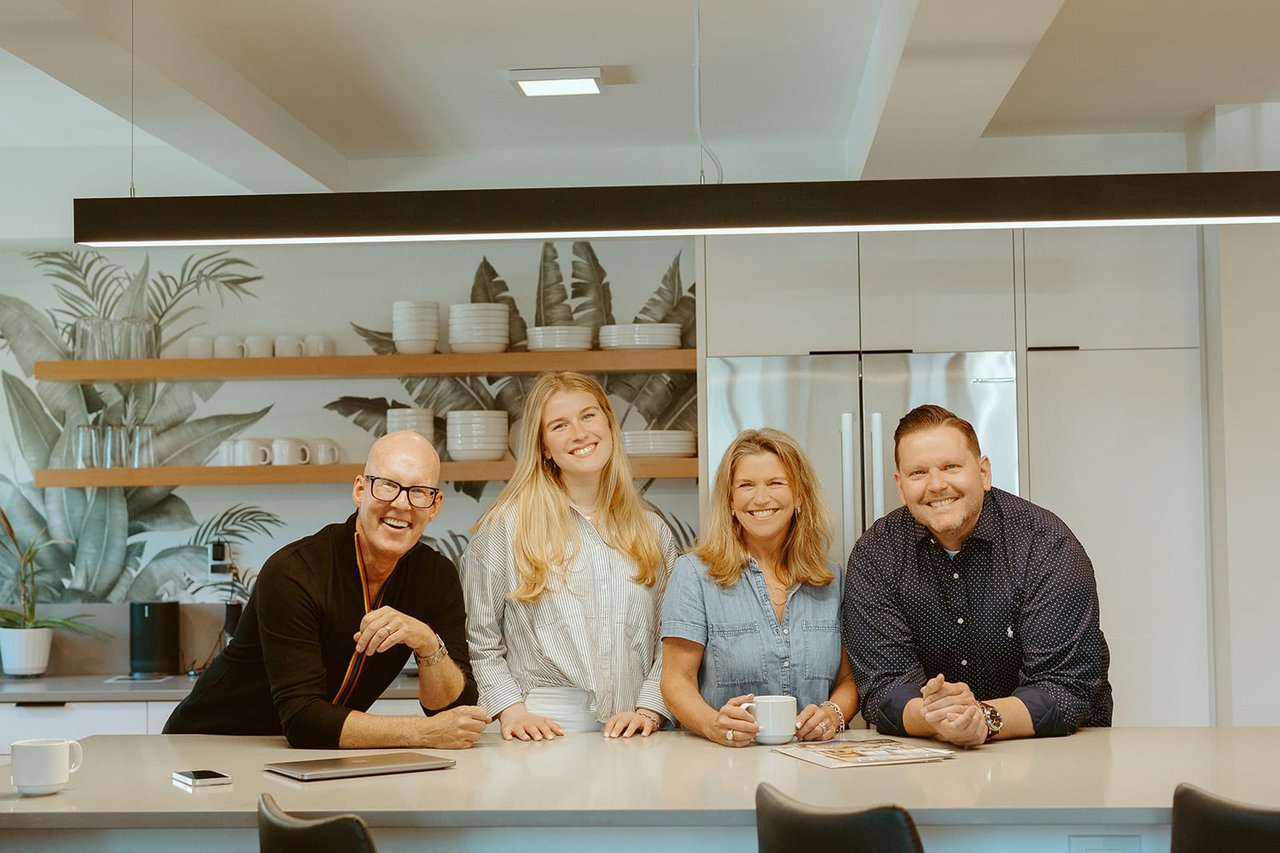
TeamUp Seattle has been successfully creating outstanding real estate experiences for our buyers and sellers in the Seattle area for 30 years. Our business is completely built around three guiding principles that motivate and drive us each and every day with each and every client.
Connect. Collaborate. Close.
Contact us today to find out how we can be of assistance to you!