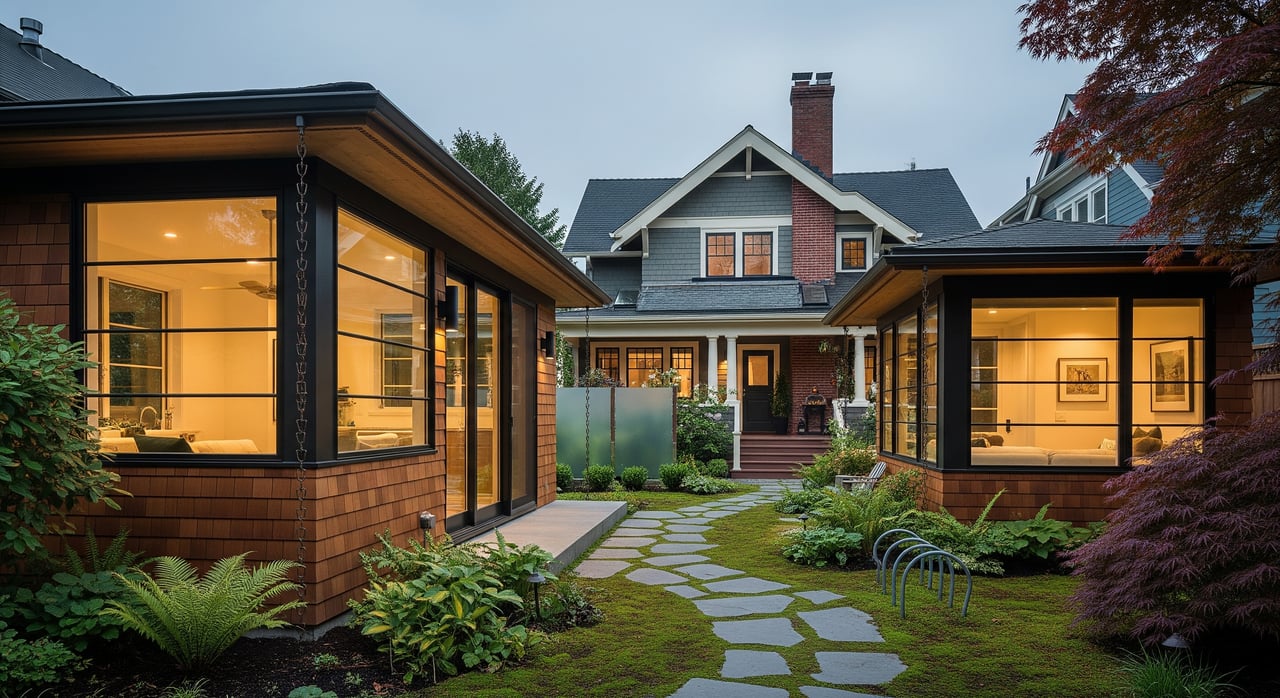
Thinking about a backyard cottage or basement apartment on your Ballard property? Whether you want space for loved ones or a flexible rental, an ADU can add options without leaving the neighborhood you love. In this guide, you’ll learn what ADUs and DADUs are, where they fit on typical Ballard lots, how the permit process works, cost categories to plan for, and the features renters and buyers value most. Let’s dive in.
ADU vs. DADU: What they are
An accessory dwelling unit, or ADU, is a secondary living space on the same lot as your main home. It is usually attached to or within the primary house, like a basement apartment or an attic or garage conversion.
A DADU is a detached accessory dwelling unit. Think of a separate small house or backyard cottage that sits apart from the main home. In Seattle, the Seattle Department of Construction and Inspections is your authoritative source on current rules and permits. Start with the city’s ADU page for definitions and permit guidance at the Seattle Department of Construction and Inspections ADU hub.
Other helpful city and county resources include Seattle Public Utilities for water, sewer, and stormwater guidance and the Office of Planning and Community Development for city planning policies and ADU materials.
Where ADUs fit on Ballard lots
Ballard has a mix of older single-family homes, townhomes, and small multifamily buildings. Lots are often narrow and deep, with many properties served by alleys. These site traits shape what type of ADU or DADU will work best.
Common placement options
- Basement or attic conversions. Great for homes where you can reconfigure interior space without expanding the footprint.
- Attached ADUs. An addition that shares a wall or structure with the main house.
- DADUs in the rear yard. A standalone cottage where setbacks and lot coverage allow. These are common on lots with usable backyard space.
- Garage conversions or units above a garage. Especially practical on properties with alley access.
Zoning and site constraints to check
- Zoning designation. Ballard includes single-family and low- to mid-rise multifamily zones, and rules vary. Confirm current standards with SDCI.
- Lot size, setbacks, lot coverage, and height limits. These determine if a DADU can fit and where.
- Access and utilities. Alley or street access, easements, and utility locations affect costs and design.
- Historic overlays and landmarks. Some properties have added review steps or restrictions.
For up-to-date standards, use the SDCI ADU page and the city’s general permits and inspections portal.
How ADUs support multigenerational living and rentals
Multigenerational living
- In-law or aging-in-place suites. Single-level DADUs or step-free ADUs with accessible features work well for older adults.
- Space for young adults or caregivers. Close enough to help, separate enough for privacy.
- Transitional stays. A flexible unit for life changes or temporary housing needs.
Rental flexibility and investment
- Long-term rental. Ongoing rental income can help offset your mortgage in a high-demand neighborhood like Ballard.
- Short-term rental. Rules and licensing change over time, so verify current requirements with the city and the state before you market a short-term rental.
- Mortgage subsidy. Some lenders consider projected ADU rent in affordability calculations, though requirements vary.
Practical design strategies
- Independent systems. Separate utility metering or submetering and defined HVAC zones can simplify billing and comfort.
- Universal design. Zero-step entries, wider doors, lever handles, and curbless showers make living easier for everyone.
- Privacy and sound. Add insulation, thoughtful window placement, and clear circulation paths.
- Storage and bikes. Secure bike parking and smart built-ins appeal to Ballard renters and buyers.
Permits, process, and timeline in Seattle
Every project is unique, but most follow a similar path. Keep specifics high level and verify current rules with SDCI.
- Preliminary checks. Confirm zoning, setbacks, lot coverage, and any historic overlays.
- Concept and design. Sketch layouts, massing, rooflines, and a site plan with utility and stormwater considerations.
- Pre-application. Explore SDCI resources or optional meetings to clarify requirements.
- Permit application. Submit plans, structural details, energy compliance, and required reports to SDCI.
- Review cycles. City reviews for land use and building code, with coordination from utilities or transportation as needed.
- Construction and inspections. City inspections occur at key stages.
- Final sign-off. Final inspection or certificate of occupancy, as applicable.
Use SDCI’s ADU guidance and permit portal for steps and current timelines at the SDCI ADU page and SDCI permits hub. For water, sewer, and drainage requirements, check Seattle Public Utilities.
Timelines vary by scope, design completeness, site constraints, and city workload. Expect a multi-month process for most projects, and longer for new detached construction.
Costs and budgeting: what to plan for
You will see a range based on scope and site conditions, so focus on categories and contingencies.
- Design and documentation. Architect or designer, structural engineering, and surveys.
- Permits and fees. SDCI permits, potential SPU connections, and any transportation-related fees if applicable.
- Construction. DADUs typically cost more per square foot than internal conversions due to foundations and separate systems.
- Utilities and upgrades. Water, sewer, electric, and potential capacity or meter changes.
- Soft costs and site work. Landscaping, stormwater mitigation, and related work.
- Taxes and assessments. ADUs often increase assessed value. Review guidance from the King County Assessor.
- Rental taxes and licensing. For rentals or short-term rentals, review the Washington State Department of Revenue and the IRS on rental income and expenses.
Features Ballard renters and buyers want
- Separate entrance with clear privacy from the main home.
- Full kitchen and bathroom for a true, self-contained unit.
- In-unit laundry or easy access to laundry.
- Good natural light with windows positioned for privacy.
- Soundproofing between units.
- Storage and built-in shelving.
- Comfortable heating and cooling with independent controls where practical.
- Outdoor space, patio, or balcony plus secure bike storage.
- Energy-efficient systems and modern appliances.
- Accessibility features if you expect multigenerational use.
Design tips for Ballard properties
- Think vertical. Compact footprints and two-level layouts can help on narrow lots.
- Protect privacy. Use landscaping, screening, and window placement to preserve outdoor enjoyment for both homes.
- Plan circulation. Provide a direct, well-lit path to the ADU, especially from an alley.
- Address stormwater early. Added hard surfaces can trigger drainage requirements, so coordinate with Seattle Public Utilities.
Quick checklist before you start
- Zoning and lot check with SDCI – does your parcel allow an ADU or DADU?
- Property constraints – setbacks, lot coverage, alley access, and utilities.
- Unit type – basement, attached, or detached.
- Size and layout – studio or 1–2 bedrooms, kitchen and bath count.
- Utilities and meters – separate or shared.
- Parking and access – required or simply desirable.
- Permits – SDCI building permits and SPU approvals as needed.
- Design and build team – architect or designer, contractor, structural engineer.
- Budget and financing – get early estimates and discuss options with your lender.
- Tax and rental rules – review the King County Assessor, WA Department of Revenue, and IRS rental income guidance.
- Timeline and contingencies – plan for review time and potential delays.
- Insurance and liability – confirm homeowner and landlord coverage.
- Final questions for your agent – likely value impact, rent estimate, and vendor referrals.
Common pitfalls to avoid
- Rules change. Parking, owner-occupancy, size limits, and rental rules evolve. Always verify current standards with SDCI’s ADU page.
- Hidden site costs. Stormwater mitigation, utility capacity, and structural upgrades can add up.
- Neighbor and design review. Some sites or overlays may require notices or extra steps.
- Tax and legal issues. Rental income, business licensing, and reassessment matter. Consult the King County Assessor, WA DOR, and the IRS rental topic.
- Contractor selection. Choose experienced ADU pros with references to avoid delays and rework.
How TeamUp Seattle can help
If you are weighing an ADU or DADU in Ballard, you do not have to map it out alone. Our team can help you estimate local rent potential, understand how a unit could impact marketability and resale, and connect you with vetted designers and contractors who regularly build in Seattle. For a tailored view, share your property address or parcel number and we will walk you through next steps.
Ready to explore your options or get a value and rent estimate for your property? Connect with TeamUp Seattle and schedule a consultation.
FAQs
Will an ADU increase my Ballard property taxes?
- Adding a permitted unit often increases assessed value, so review potential impacts with the King County Assessor.
Can I use a Ballard ADU for short-term rental?
How long do Seattle ADU permits take?
- Timelines vary by scope and city workload, but most projects take months from application to final inspection, so check current expectations on the SDCI permits hub.
Do I have to live on the property to build an ADU in Seattle?
- Owner-occupancy and rental rules can change over time, so verify the latest policy on the SDCI ADU page.
What features make a Ballard ADU easier to rent?
- Separate entrance, full kitchen and bath, in-unit laundry, strong natural light with privacy, good soundproofing, storage and bike parking, outdoor space, and efficient systems.
What financing options can cover an ADU or DADU?
- Homeowners often consider cash-out refinances, construction loans, or home equity options, and some lenders may credit projected ADU rent during underwriting.
How could an ADU affect resale value in Ballard?
- Well-designed ADUs can expand buyer appeal and flexibility, so request a localized value and rent estimate based on your lot, layout, and location.
Who handles utilities and stormwater for a DADU?
- Plan utility connections and drainage early and coordinate with Seattle Public Utilities for water, sewer, and stormwater requirements.